An elephant wandering through a cornfield at night can wipe out the harvest of an entire smallholder farming family. Yet the next day, the very same elephant may be the animal that safari tourists are willing to spend large sums of money to see. This dual role—threat to some, attraction and source of income to others—illustrates the complex relationships between people and wildlife in the region. To better understand these dynamics, the researchers interviewed both smallholder farmers and safari tourists. Based on the responses from local communities, they grouped mammal species into four categories: domesticated animals such as cattle; dangerous species such as lions; ambivalent species with both positive and negative impacts, such as elephants; and largely neutral species, such as small antelopes.
The survey of safari tourists showed that expectations are shaped primarily by iconic "Big Five” species such as elephants, lions, and African buffalo. These high expectations of seeing such animals can reinforce existing tensions: conservation measures designed to support tourism may simultaneously increase pressure on local agriculture. The findings also highlight two major areas of conflict: one between crop farming and wildlife tourism, and the other between livestock farming and the conservation of large predators. While smallholder farmers often see elephants and lions as threats to their livelihoods, these iconic animals are often the main reason safari tourists travel to Namibia.
“By bringing together the perspectives of different stakeholder groups, we were able to show how differently animal species are perceived and the competing interests that arise as a result,” explains lead author Magnus Dobler. “Our findings can help inform policies that better reconcile wildlife conservation with the needs of local communities,” adds Liana Kindermann, a postdoctoral researcher in the Biodiversity Research and Systematic Botany Group at the University of Potsdam.
The study makes one thing clear: successful coexistence between people and wildlife requires more than conservation measures alone. It calls for integrated land-use planning that considers the livelihoods of local communities alongside the economic importance of nature-based tourism and the long-term conservation of biodiversity.
Published study: Magnus Dobler, Liana Kindermann, Steffanie Mantik, (…) Anja Linstädter, Ecosystem services and disservices of wild and domestic mammals: Contrasting farmers' perceptions and tourists' demands in an African coexistence landscape, Ecosystem Services (2026): https://doi.org/10.1016/j.ecoser.2026.101877
Photo credits:
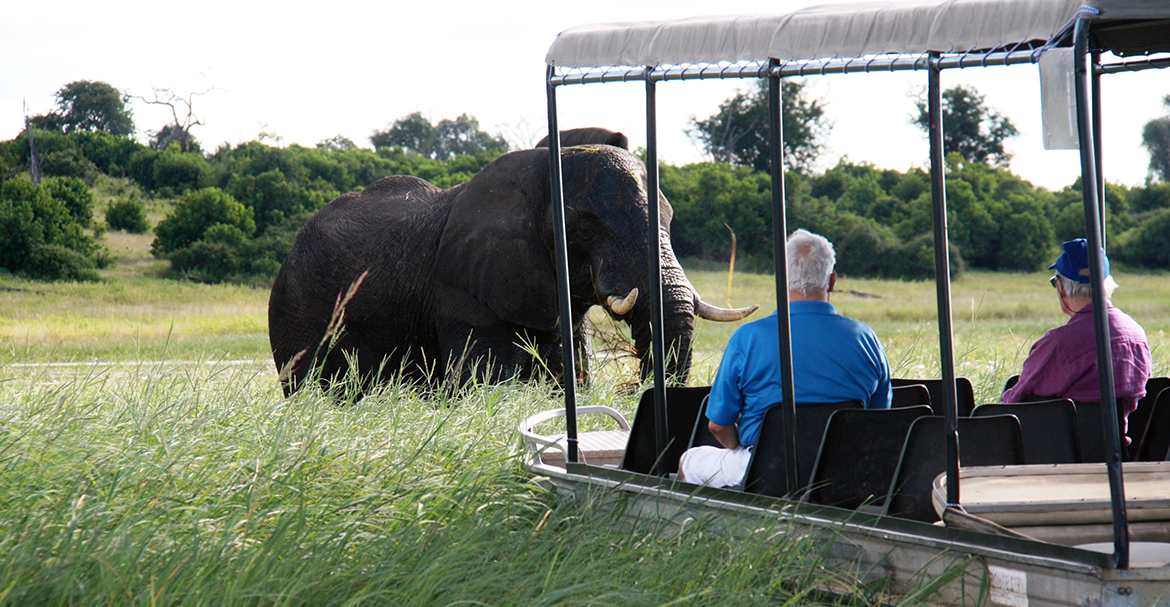
2026_063_Elefanten Touristen_Anja_Linstädter: Tourists observing an elephant at close range. Photo: Anja Linstädter
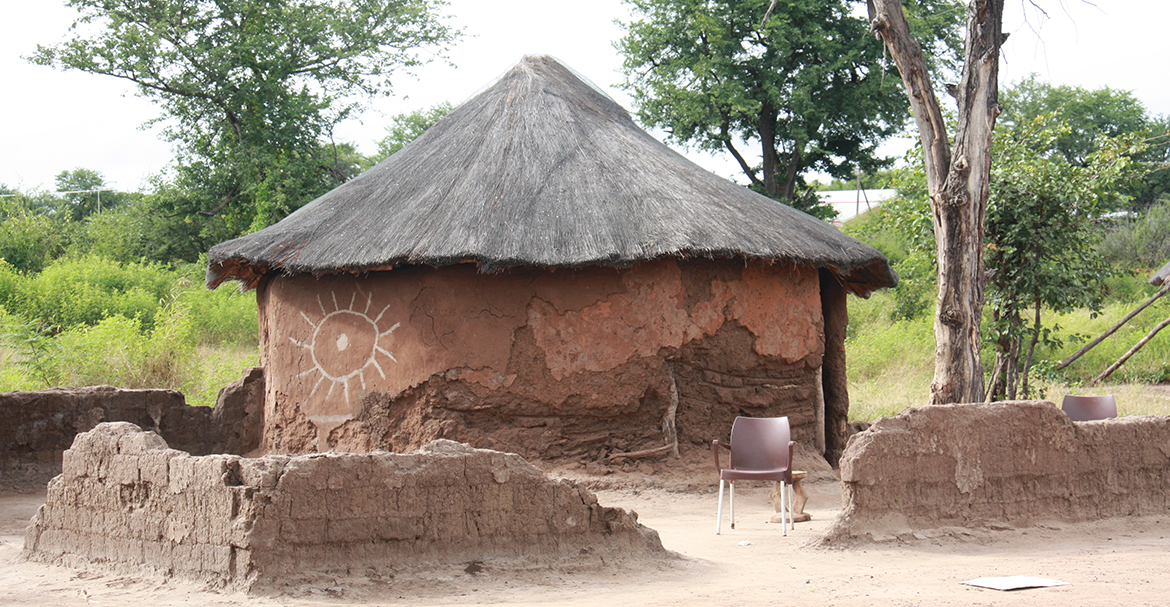
2026_063_Elefantenschäden_Anja_Linstädter: Damage to huts caused by elephants. Photo: Anja Linstädter
Contact:
Dr. Liana Kindermann, Institute of Biochemistry and Biology
E-Mail: liana.kindermannuuni-potsdampde
Media information 13-07-2026 / No. 063